When it comes to maintaining the plumbing systems of buildings, pipe lining has become an increasingly popular and effective method. Pipe lining is a versatile technology that allows for the repair or replacement of damaged or aging pipes without the need for extensive excavation. By creating a new pipe within the existing one, pipe lining provides a cost-effective and efficient solution to various plumbing issues. In this article, we will explore the process of pipe lining and its benefits, as well as delve into the importance of plumbing maintenance in general.
Plumbing systems play a crucial role in our daily lives, ensuring the delivery of clean water and the removal of waste. Oftentimes, however, these systems suffer from wear and tear, leading to leaks, blockages, or diminished performance. Traditionally, fixing damaged or old pipes involved invasive and time-consuming excavation processes that disrupted the surrounding environment. With the advent of pipe lining technology, plumbers now have a non-invasive method that can address these issues with minimal disruption, both in residential and commercial settings. By avoiding extensive digging and focusing on rehabilitating existing pipes, pipe lining has revolutionized the field of plumbing and has quickly gained popularity among professionals and property owners alike. Revolutionizing plumbing practices in CIPP Rochester MN lining emerges as a cost-effective solution, transforming traditional methods and ensuring durable and efficient pipe rehabilitation.
The Process of Pipe Lining
The process of pipe lining involves several steps that ensure the successful rehabilitation of damaged or aged pipes. To begin with, a thorough inspection of the plumbing system is conducted using advanced technologies such as CCTV cameras. This inspection helps identify the location and extent of the damage, allowing the plumber to determine the appropriate course of action. Once the assessment is complete, the pipe lining process begins by cleaning the pipes. High-pressure water jetting or mechanical cleaning methods are employed to remove any debris or blockages from the interior of the pipe. After cleaning, a liner saturated with epoxy resin is inserted into the old pipe and positioned using techniques such as air pressure or inversion. The liner is then cured, usually through the application of hot water, steam, or UV light, which causes the epoxy resin to harden and create a new, durable pipe within the existing one. Finally, a final CCTV inspection is performed to ensure the quality and integrity of the newly lined pipe.
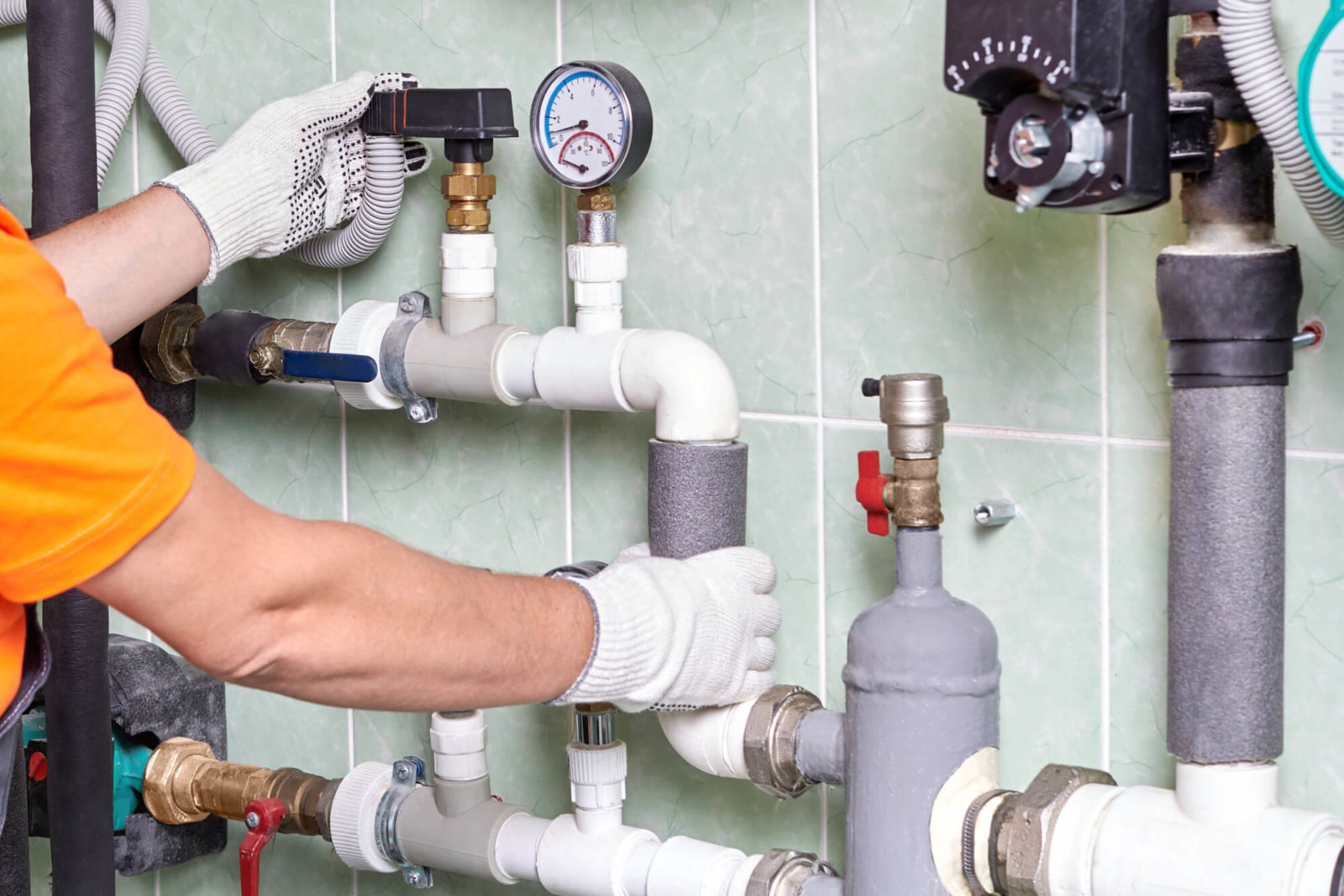
Benefits and Importance of Plumbing Maintenance
Pipe lining offers numerous benefits that make it an attractive option for both residential and commercial properties. By eliminating the need for excavation, it significantly reduces disruption to daily life and minimizes damage to landscapes, floors, or walls. Additionally, pipe lining technology saves time and money compared to traditional repair methods, as it eliminates or reduces labor-intensive tasks such as digging and restoration. The new pipe created through lining is highly resistant to corrosion, leaks, roots intrusion, and other common issues, ensuring long-term durability and performance.
Plumbing maintenance, in general, plays a vital role in preserving the functionality and safety of any building. Regular inspections and maintenance prevent minor problems from escalating into major issues that could lead to costly repairs or even property damage. With proper maintenance, plumbing systems can operate efficiently and last longer, which is essential for the comfort and well-being of occupants. Therefore, investing in pipe lining technology and prioritizing plumbing maintenance are crucial steps towards maintaining the integrity of buildings and ensuring a smooth flow of water and wastewater.
In conclusion, pipe lining is a highly effective and efficient method for repairing or replacing damaged or aging pipes without extensive excavation. This technology offers numerous benefits, including minimal disruption, cost savings, and long-term durability. By creating a new pipe within the existing one, pipe lining has revolutionized the field of plumbing and gained popularity among professionals and property owners. Additionally, plumbing maintenance in general is crucial for preserving the functionality and safety of any building. Regular inspections and maintenance help prevent minor problems from escalating into costly repairs or property damage. Investing in pipe lining technology and prioritizing plumbing maintenance are essential steps towards maintaining the integrity of buildings and ensuring a smooth flow of water and wastewater.
Leave a Reply