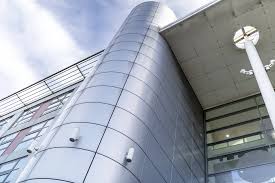
Flammable cladding has become a major concern in recent years, especially in light of several high-profile incidents such as the Grenfell Tower fire in London. With increasing urbanization and high-rise construction, the use of flammable cladding materials has raised serious safety issues for building occupants and emergency responders. This article will delve into the background of flammable cladding, the risks associated with its use, and potential solutions to mitigate these risks.
Understanding the properties of flammable cladding materials and their potential impact on fire safety is crucial for architects, developers, building owners, and regulatory authorities. By examining case studies and analyzing industry trends, we can gain valuable insights into the challenges posed by flammable cladding and explore best practices for ensuring the safety of occupants and preventing catastrophic events. Stay tuned as we explore the complex issues surrounding flammable cladding and its implications for the built environment.

Overview of Flammable Cladding
Flammable cladding, as highlighted in the flammable cladding article, refers to the use of combustible materials in building facades, presenting a significant fire hazard. The increased prevalence of high-rise buildings globally has led to a surge in the demand for cost-effective cladding solutions, often compromising on fire safety standards. Materials such as aluminum composite panels (ACP) with polyethylene cores have been identified as particularly risky due to their flammability and rapid spread of fire.
Implications for Fire Safety
The adoption of flammable cladding materials poses grave risks to building occupants and emergency responders in the event of a fire. The Grenfell Tower tragedy serves as a stark reminder of the devastating consequences of using combustible cladding. Not only does flammable cladding accelerate the spread of flames, but it also releases toxic fumes that can jeopardize rescue operations and exacerbate the loss of life. Regulatory authorities and industry stakeholders must address these safety concerns promptly to prevent further incidents and safeguard public welfare.
Potential Solutions and Mitigation Strategies
In response to the alarming risks posed by flammable cladding, industry experts have advocated for stringent regulations, thorough testing of materials, and enhanced fire safety measures in buildings. Retrofitting existing structures with non-combustible cladding, implementing regular inspections and maintenance, and improving emergency response protocols are among the key strategies to mitigate the dangers associated with flammable cladding. Collaboration between architects, builders, regulators, and manufacturers is essential to ensure that buildings are designed and constructed with the highest standards of fire safety in mind. By taking proactive steps to address the challenges presented by flammable cladding, we can work towards creating a more resilient and secure built environment for all.
Leave a Reply