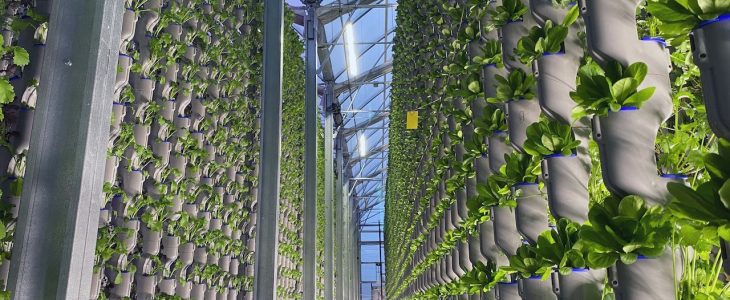
Hydroponic strawberry production is a remarkable agricultural technique that brings the luscious taste of ripe strawberries to even the most challenging growing environments. This method allows for controlled and efficient cultivation year-round. In this 800-word blog post, we’ll explore the art of hydroponic strawberry production, covering its benefits, essential components, best practices, and how it contributes to sustainable and mouthwatering berry farming. For more information regarding hydroponic plant one can visit our site https://hydroponicglobal.com.au/.
Understanding Hydroponic Strawberry Production:
Hydroponic strawberry production involves growing strawberries without soil, using a nutrient-rich water solution to deliver essential nutrients directly to the plants’ root systems. Here’s how it works:
1. Growing System: Hydroponic strawberry systems can vary but often employ a vertical or horizontal setup. The strawberries are planted in containers or pockets, allowing their roots to access the nutrient solution.
2. Nutrient Solution: A carefully formulated nutrient solution containing essential minerals, such as nitrogen, phosphorus, potassium, and micronutrients, is continuously delivered to the plants. This solution provides all the nutrients needed for healthy growth.
3. Root Zone Management: In hydroponics, the roots are either suspended in the nutrient solution (as in deep-water culture) or placed in an inert growing medium like perlite, coconut coir, or rockwool. The medium supports the plants and provides stability.
4. Lighting: In indoor or greenhouse systems, artificial lighting, typically LED or high-intensity discharge (HID) lamps, is used to supplement natural light, ensuring that the strawberries receive the necessary amount of light for photosynthesis.
Advantages of Hydroponic Strawberry Production:
1. Space Efficiency: Hydroponic systems optimize space usage, making them suitable for urban and small-scale farming.
2. Resource Conservation: These systems are water-efficient, as they recirculate and reuse the nutrient solution. Additionally, they reduce the need for synthetic pesticides and herbicides.
3. Year-Round Cultivation: Hydroponic strawberries can be grown year-round, regardless of external weather conditions, ensuring a steady supply of fresh, ripe strawberries.
4. Higher Yields: The controlled environment and precise nutrient delivery often result in higher strawberry yields compared to traditional soil-based farming.
Setting Up a Hydroponic Strawberry System:
Here are the key steps to set up a hydroponic strawberry production system:
1. Container Selection: Choose containers, pockets, or towers suitable for strawberry cultivation. Ensure that they provide adequate support and drainage.
2. Nutrient Solution: Mix a nutrient solution tailored to strawberries’ specific needs. Monitor and adjust the pH and electrical conductivity (EC) levels as necessary.
3. Growing Medium: Fill the containers or pockets with an inert growing medium like perlite, coconut coir, or rockwool. Plant the strawberry seedlings or runners into the medium.
4. Irrigation System: Set up a drip irrigation system or another appropriate method to deliver the nutrient solution to the plants’ root zones.
5. Lighting: In indoor or greenhouse systems, install the necessary lighting to supplement natural light. Ensure that strawberries receive 12-16 hours of light daily.
6. Temperature and Humidity Control: Maintain suitable temperature and humidity levels for strawberry growth, typically around 65-75°F (18-24°C) with humidity around 70%.
Best Practices for Hydroponic Strawberry Production:
To achieve success with hydroponic strawberry production, follow these best practices:
1. Pollination: Strawberries may require hand pollination in indoor systems. Gently brush or shake the flowers to help transfer pollen.
2. Pruning: Regularly prune strawberry plants to remove old or diseased foliage, encourage airflow, and promote fruiting.
3. Support: Use trellises or support structures to prevent the plants from sprawling and to keep the strawberries off the ground.
4. Harvesting: Harvest ripe strawberries gently to avoid damaging the delicate fruit. Ripe strawberries are typically bright red and easily detach from the stem.
5. Pest and Disease Management: Monitor plants for signs of pests or diseases, and address issues promptly. Hydroponic systems often reduce the risk of soil-borne diseases.
Sustainability and Flavorful Strawberries:
Hydroponic strawberry production aligns with sustainability and flavor:
1. Resource Efficiency: These systems are water-efficient and reduce the need for synthetic fertilizers and pesticides, making them environmentally friendly.
2. Local Food Production: By allowing strawberries to be grown year-round and in urban areas, hydroponics reduces the carbon footprint associated with long-distance transportation.
3. Consistent Quality: Hydroponic strawberries are known for their consistent quality and flavor, making them a favorite among consumers.
In conclusion, hydroponic strawberry production offers an efficient, sustainable, and delicious way to enjoy fresh, juicy strawberries year-round. By leveraging controlled environments and precise nutrient delivery, growers can produce strawberries that are both environmentally responsible and a delight to the palate. Whether you’re a small-scale enthusiast or a commercial farmer, hydroponic strawberry production presents an exciting opportunity to savor the taste of homegrown strawberries throughout the seasons.