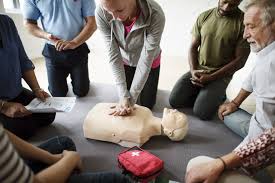
Cardiopulmonary resuscitation, more commonly known as CPR, is a life-saving technique used in emergency situations where someone’s heart has stopped beating or they are not breathing. Being trained in CPR can make a significant difference in someone’s chances of survival during a cardiac emergency. CPR certification classes provide individuals with the necessary skills and knowledge to perform CPR effectively and confidently.
Whether you are a healthcare professional, teacher, parent, or just a concerned citizen, knowing how to properly administer CPR can truly make a difference in saving a life. In these classes, participants will learn how to recognize the signs of cardiac arrest, how to perform the appropriate chest compressions and rescue breaths, and how to use an automated external defibrillator (AED) if available. CPR certification classes are crucial in empowering individuals to act quickly and decisively in emergency situations.
The Importance of CPR Training
Whether you are a healthcare professional, teacher, parent, or just a concerned citizen, knowing how to properly administer CPR can truly make a difference in saving a life. In CPR certification classes, participants will learn how to recognize the signs of cardiac arrest, how to perform the appropriate chest compressions and rescue breaths, and how to use an automated external defibrillator (AED) if available. These classes are crucial in empowering individuals to act quickly and decisively in emergency situations.
Empowering Individuals in Emergencies
Cardiopulmonary resuscitation, known as CPR, is a life-saving technique that can significantly impact someone’s chances of survival during a cardiac emergency. Being trained in CPR through CPR certification classes provides individuals with the necessary skills and knowledge to perform CPR effectively and confidently. Whether it’s at home, in the workplace, or out in public, having the ability to administer CPR can potentially save a life and make a lasting difference in an emergency situation.
CPR certification classes are essential in equipping individuals with the tools they need to respond effectively in critical situations. Whether it’s at home, in the workplace, or out in public, knowing how to administer CPR can truly make a difference in saving a life. By recognizing the signs of cardiac arrest, performing chest compressions and rescue breaths correctly, and utilizing an AED if available, individuals who have undergone CPR training can act quickly and decisively when faced with an emergency. Empowering individuals with the skills and confidence to respond effectively in emergencies can ultimately save lives and have a lasting impact on those in need.
Leave a Reply