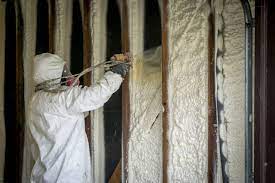
Attic insulation plays a crucial role in maintaining the comfort and energy efficiency of a home. Often overlooked, this component is essential for preventing heat loss during the winter and heat gain during the summer. Without proper insulation, homeowners may find their energy bills skyrocketing while their indoor climate remains inconsistent. Understanding the importance of attic insulation and knowing how to select the right type and installation method is vital for homeowners looking to optimize their energy usage and create a more comfortable living environment.
When it comes to choosing the right insulation material, there are various options available on the market, each offering unique advantages and disadvantages. Some common choices include fiberglass batts, blown-in cellulose, spray foam insulation, and radiant barriers. The selection depends on factors such as the local climate, budget, installation requirements, and desired R-value, which measures the insulation’s ability to resist heat flow. Alongside the material, the attic insulation installation process also needs careful consideration to ensure maximum effectiveness. Whether opting for a DIY approach or hiring professionals, understanding the crucial steps involved, such as sealing air leaks and evenly distributing the insulation, is key to achieving optimal results and long-term energy savings.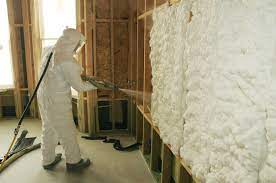
Preparing Your Attic for Insulation
Insulating your attic is an important step in making your home more energy-efficient. It helps to keep your home cool in the summer and warm in the winter. Before you begin the insulation process, it is crucial to prepare your attic properly.
One important step in preparing your attic for insulation is to seal any air leaks. These can occur around windows, doors, or any openings in the walls or ceilings. Sealing these leaks will help to prevent any air from escaping or entering your home, which can significantly improve the insulation’s effectiveness. You can learn more about how to seal air leaks in your attic and other important tips for preparing your attic for insulation by visiting learn the facts here now.
Another crucial step in preparing your attic for insulation is to ensure proper ventilation. Ventilation helps to prevent moisture buildup, which can lead to mold and other issues. It is important to check your attic for any existing ventilation systems and ensure they are working effectively. Additionally, it may be necessary to add adequate ventilation, such as roof vents or attic fans, to create proper airflow and prevent stagnant air.
Lastly, it is essential to clear any debris or obstructions from your attic before installing insulation. This includes removing old insulation, if necessary, as well as any clutter or objects that may hinder the installation process. Clearing the attic space will not only make the insulation installation easier but also prevent any potential problems or damage caused by trapped debris.
By properly preparing your attic for insulation, you can ensure maximum energy efficiency and comfort in your home. Taking the time to seal air leaks, address ventilation, and remove any obstructions will contribute to the success of your insulation project and provide long-term benefits for your home and your wallet.
Leave a Reply