Introduction:
In the intricate tapestry of nature, every creature plays a unique role, contributing to the delicate balance of ecosystems. Termites, often associated with wood destruction, embark on an extraordinary journey during a particular stage of their lifecycle – the winged adventures of baby termites. In this blog, we delve into the fascinating world of these tiny aviators, exploring their remarkable behavior and the critical role they play in the circle of life.
Lifecycle of Termites:
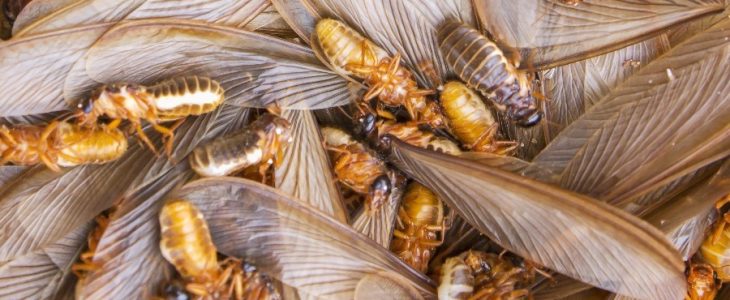
To comprehend the winged adventures of baby termites, it’s essential to understand the termite lifecycle. Termites undergo a process called metamorphosis, progressing through egg, nymph, and adult stages. However, it’s the adult stage, especially the reproductive castes, that take center stage in our tale. Baby termites with wings, also known as alates, take to the air in a mesmerizing display of nature’s ingenuity during their nuptial flight.
The Royal Nuptial Flight:
The winged stage of termites is characterized by the emergence of alates, commonly known as swarmers or flying termites. This phase, referred to as the “nuptial flight,” is a mesmerizing display of nature’s ingenuity. During the right environmental conditions, usually warm and humid evenings, swarms of winged termites take to the air to find mates and establish new colonies.
The Quest for Mates:
As baby termites take to the skies, their primary mission is to find a mate and initiate the process of establishing a new colony. The air becomes a bustling arena of intricate aerial maneuvers, with male and female termites engaging in a dance of courtship. Once a pair has found each other, they shed their wings and embark on the next phase of their journey – seeking a suitable nesting site.
Colonizing New Frontiers:
The winged couple descends to the ground, where they collaborate to excavate a chamber for their future colony. This dynamic duo lays the foundation for a new termite society, complete with a king, queen, workers, and soldiers. The queen, in particular, assumes a central role in the colony, laying eggs and perpetuating the termite lineage.
Ecosystem Impact:
While termites are often associated with structural damage to wooden structures, it’s crucial to recognize their positive impact on ecosystems. Termites play a pivotal role in nutrient recycling and soil aeration, contributing to the health of the environment. The winged adventures of baby termites, as they establish new colonies, serve as a testament to the intricate web of life and the interconnectedness of all living things.
Conclusion:
In the grand symphony of nature, the winged adventures of baby termites represent a captivating chapter. Beyond their reputation as wood-devouring pests, termites showcase the marvels of adaptation and cooperation in their quest to perpetuate their species. As we witness these tiny aviators taking to the skies, let us appreciate the role they play in maintaining the delicate balance of ecosystems, highlighting the importance of every creature in the vast tapestry of life.
Leave a Reply